Kawasaki Brute Force vs Honda Rancher Comparison
Table of Contents
- Engine Performance and Power Output
- Transmission and Drivetrain Capabilities
- Handling, Suspension, and Riding Comfort
- Utility, Workhorse Capability, and Daily Reliability
- Which Utility ATV Is Right for Your Riding Style?
- Find Your Next ATV at Dell's Powersports in Grain Valley, MO
- Frequently Asked Questions About the Brute Force and Rancher
- Which ATV is better for heavy mud and high-power trail riding?
- Does the Honda Rancher use a belt-driven transmission?
- Where can I compare Kawasaki and Honda ATVs in the Kansas City area?
- Can I service my Kawasaki or Honda ATV at Dell's Powersports?
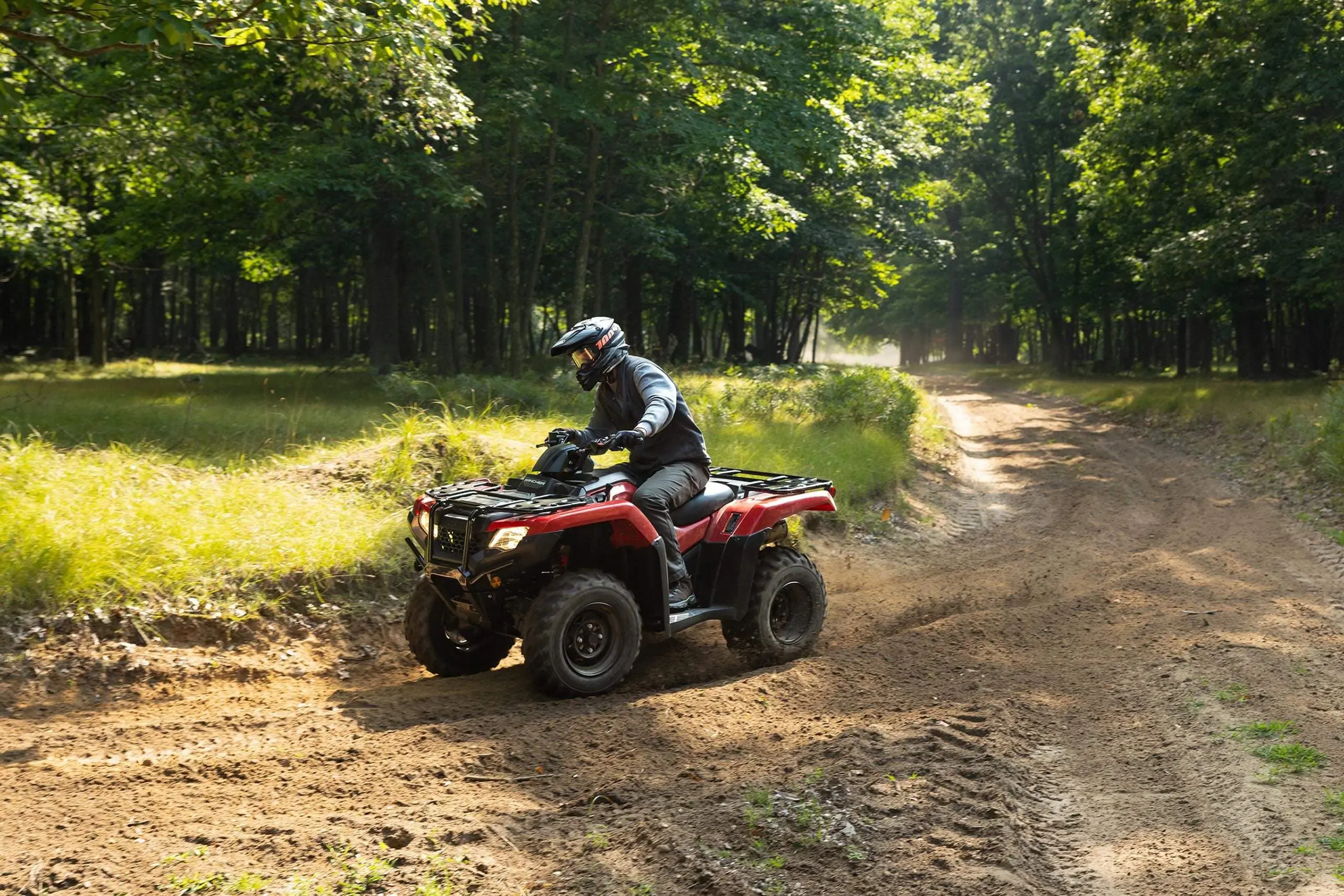
Choosing the right utility ATV comes down to understanding how you intend to ride, work, and explore. Two of the most respected names in the four-wheeler industry are the Kawasaki Brute Force and the Honda FourTrax Rancher. Both machines have earned devoted followings across the Midwest, but they deliver drastically different riding experiences.
Whether you are hauling gear across a property in Independence, navigating tight wooded trails near Blue Springs, or tackling muddy bottomlands around Grain Valley, choosing between these two legendary quads requires looking at power, suspension, transmission options, and overall utility. At Dell's Powersports, our team helps riders from across the greater Kansas City area evaluate top manufacturers side-by-side. So let's break down how the Kawasaki Brute Force and Honda Rancher compare and contrast.
Engine Performance and Power Output
When comparing raw engine capability, the Kawasaki Brute Force lineup generally leans toward high-output torque and aggressive sport-utility performance. The flagship Brute Force 750 4x4i features a fuel-injected V-twin engine that delivers muscular acceleration and plenty of low-end grunt for turning larger tires through deep mud. For entry-level or mid-size riders, Kawasaki also offers the Brute Force 300, which utilizes a nimble liquid-cooled single-cylinder engine ideal for light chores and casual trail riding.
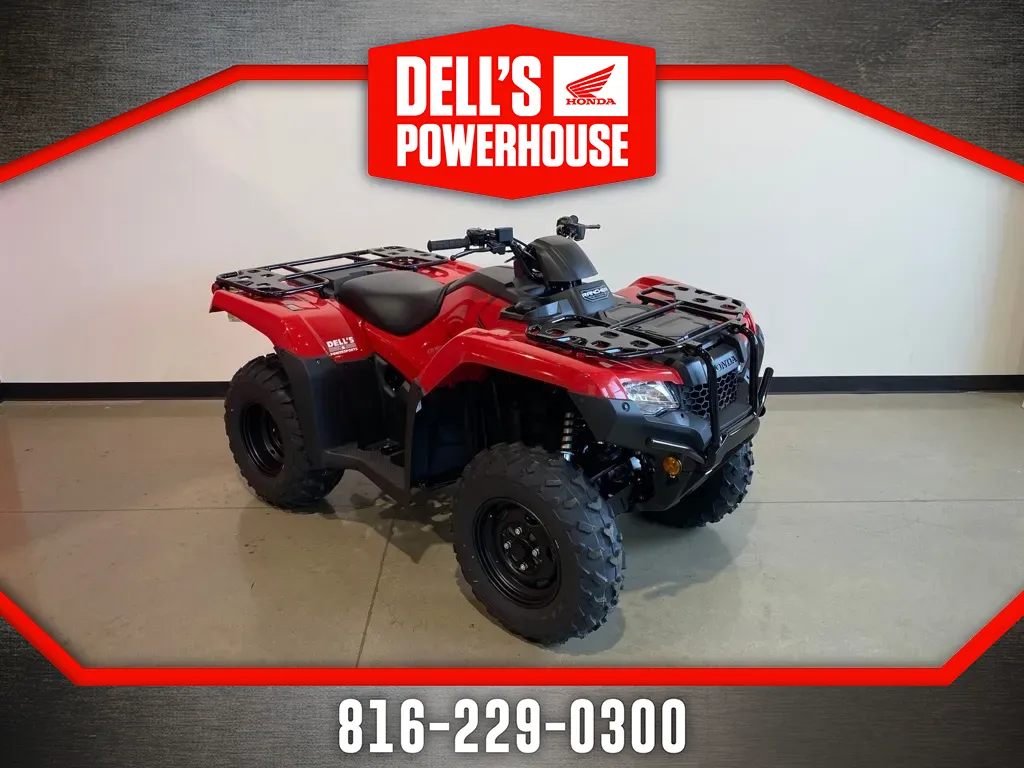
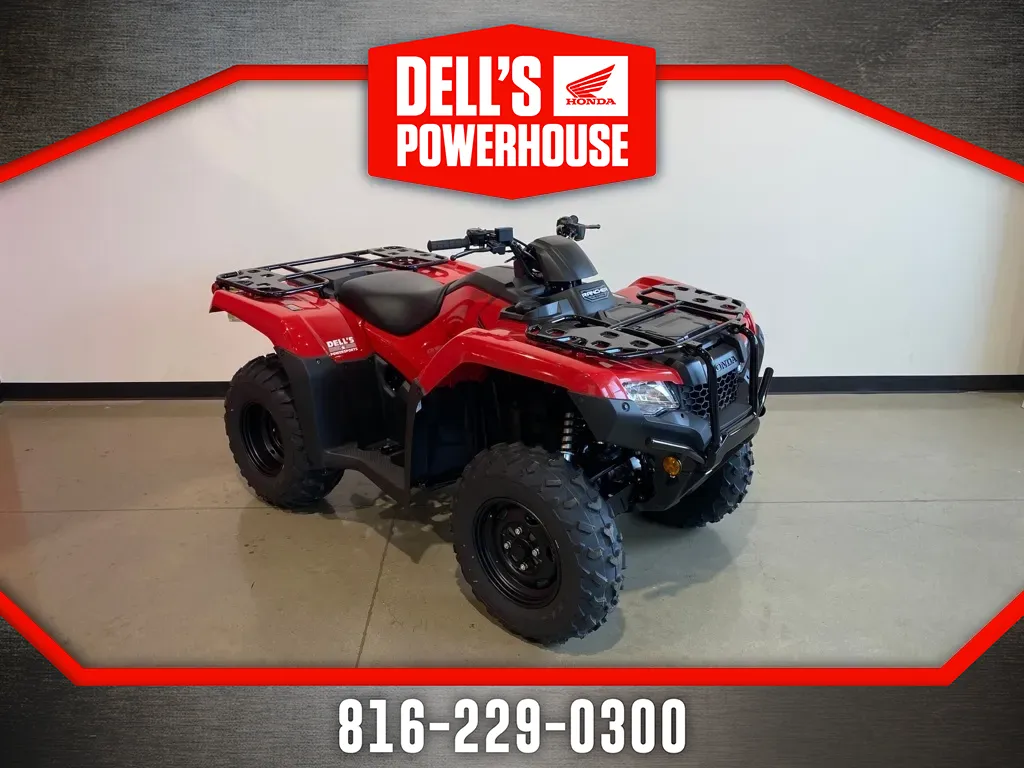
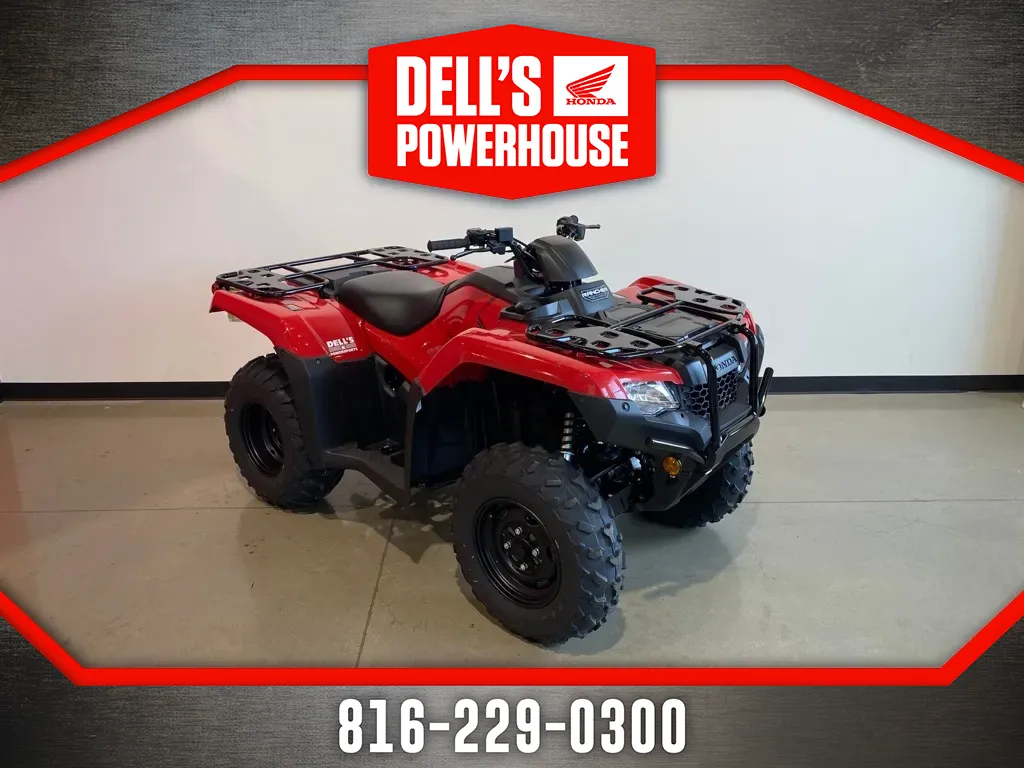
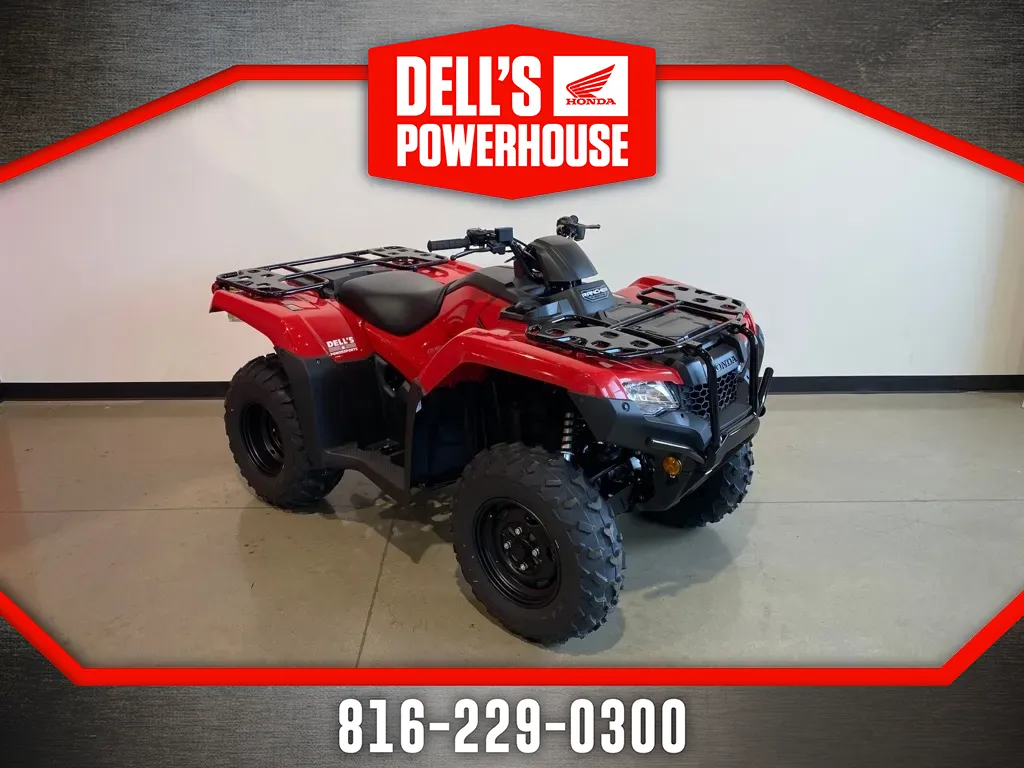
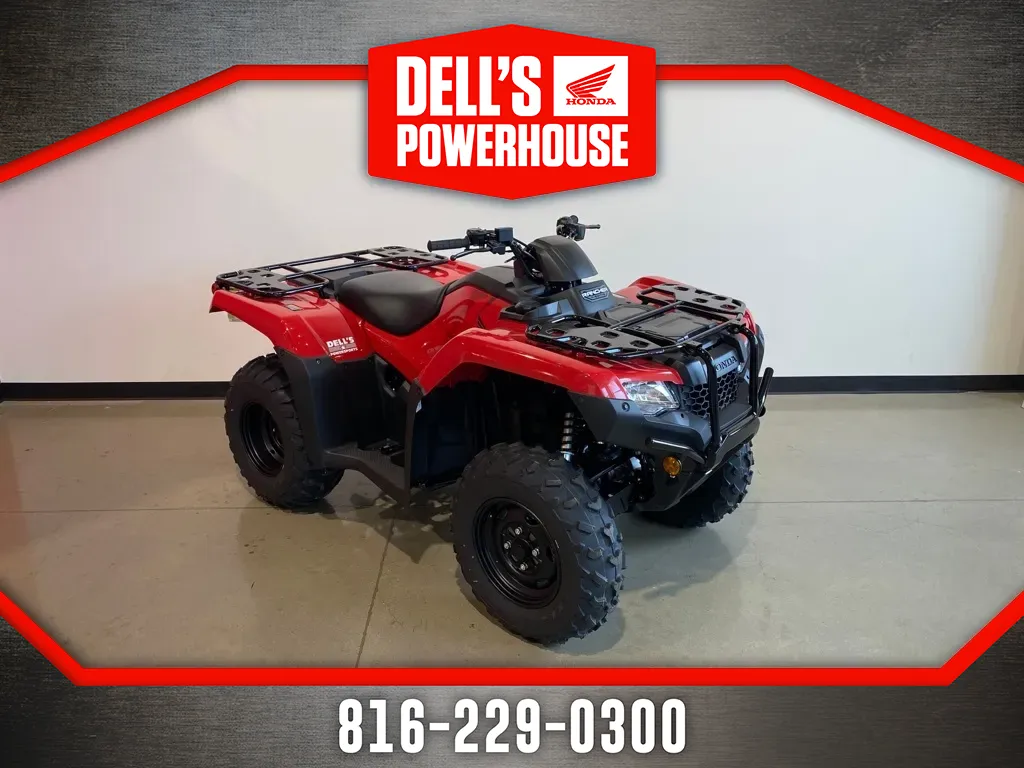
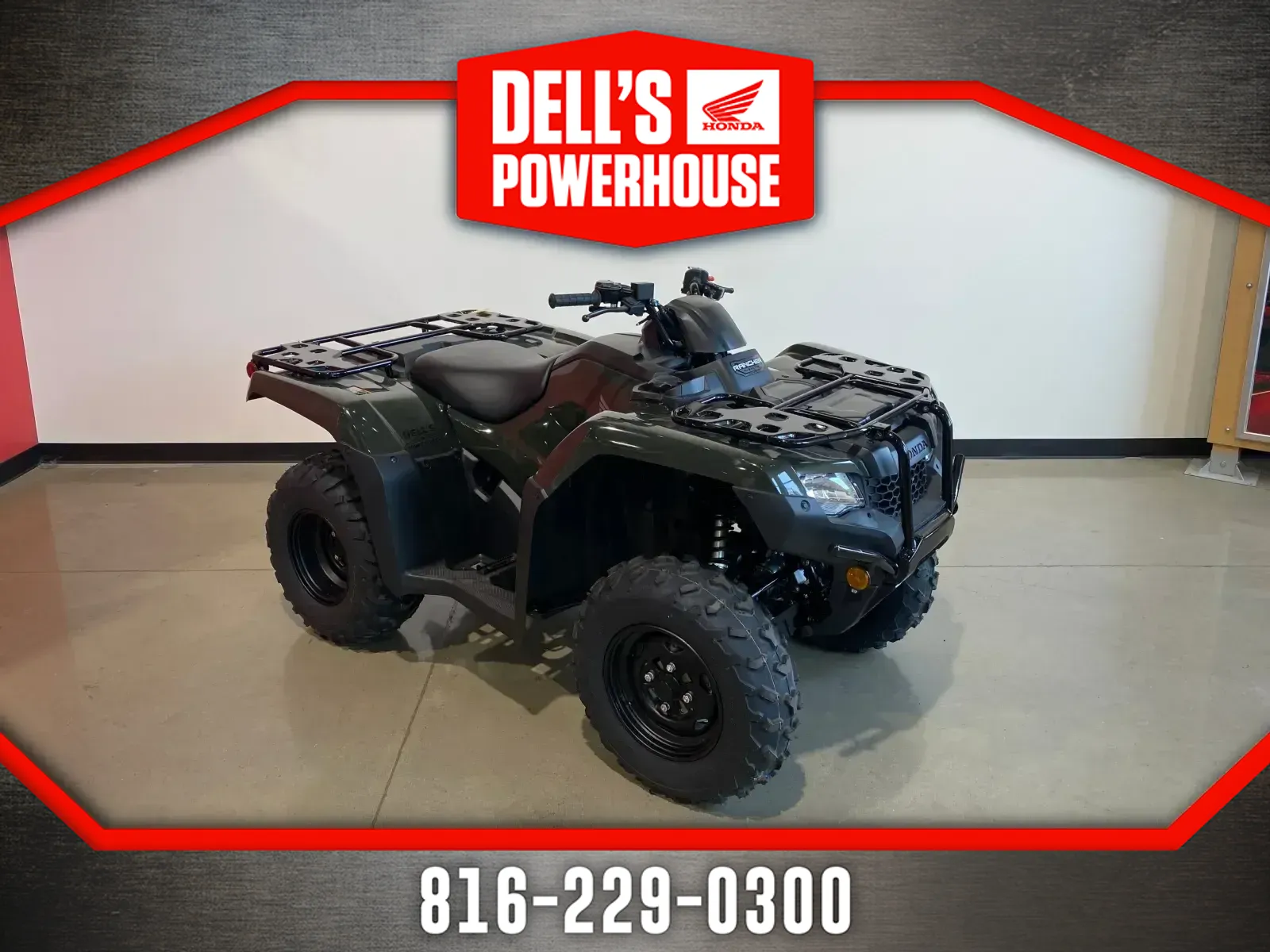
The Honda FourTrax Rancher takes a slightly different approach by focusing on efficient, bulletproof single-cylinder engine architecture. Powered by a proven 420cc fuel-injected engine mounted longitudinally inside the frame, the Rancher optimizes power transfer directly to the driveshafts without inefficient 90-degree gear turns. While it may not match the top-end arm-stretching horsepower of a heavy-bore V-twin, the Honda Rancher produces crisp throttle response and exceptional torque right where working riders need it most.
If your primary goal involves aggressive trail riding, mud holes, or deep hill climbs, the extra displacement and V-twin power of the mid-to-heavyweight Kawasaki Brute Force models stand out. However, if you value fuel efficiency, linear power delivery, and easy cold-weather starts for daily tasks, the Honda 420cc engine remains one of the most reliable powerplants ever built.
Transmission and Drivetrain Capabilities
The driving feel of an ATV is largely defined by its transmission technology, and this is where these two machines diverge significantly.
Kawasaki equips the Brute Force series with a Continuously Variable Transmission system that features high and low range along with reverse. This belt-driven automatic transmission allows the engine to stay in the heart of its powerband without requiring manual gear changes. Furthermore, the Brute Force 750 features variable front differential control, allowing riders to manually control the amount of power delivered to both front wheels when traction becomes scarce in severe mud or rock terrain.
Honda offers one of the most versatile transmission selections in the entire powersports market for the FourTrax Rancher:
- Manual Shift: Traditional foot-shift manual transmission for total operator control and classic mechanical simplicity.
- Electric Shift Program: Push-button handlebar gear changes that eliminate foot shifting while maintaining direct gear engagement.
- Automatic Dual-Clutch Transmission: Smooth automatic shifting utilizing heavy-duty steel gears rather than a traditional drive belt.
For riders who prefer a classic gear-driven drivetrain without belt wear concerns during heavy pulling or towing, Honda's gear-based transmissions are a major selling point. For those who prefer seamless belt-driven automatic operation and variable differential locking, the Kawasaki system offers maximum terrain adaptability.
Handling, Suspension, and Riding Comfort
Ride comfort depends heavily on frame design and suspension geometry.
The Kawasaki Brute Force 750 features independent rear suspension with double wishbones at all four corners, providing generous ground clearance and independent wheel articulation over rough obstacles. This design absorbs deep ruts, rocks, and uneven terrain effectively, keeping the chassis level and reducing rider fatigue over long trail rides through Missouri state parks and regional riding areas.
The Honda Rancher lineup offers two distinct rear suspension options depending on your preference:
- Swingarm Solid Rear Axle: Excellent for heavy towing and agricultural work because the rear suspension does not squat under heavy tongue weight.
- Independent Rear Suspension: Provides higher ground clearance and a smoother ride over trail bumps, making long days in the saddle much more comfortable.
If you plan to hook up heavy trailers or sprayers on flat acreage near Lee's Summit, a solid rear axle Rancher provides unmatched stability. If terrain absorption and ground clearance are your highest priorities, both the IRS Rancher models and the Kawasaki Brute Force deliver outstanding rider comfort.
Utility, Workhorse Capability, and Daily Reliability
Both ATVs are built to handle serious work, featuring sturdy steel cargo racks, high towing capacities, and durable bodywork.
The Honda Rancher has built its reputation on ultimate mechanical durability. Its enclosed driveshafts protect internal components from mud, debris, and water intrusion, making it a low-maintenance workhorse for farms, ranches, and hunting leases.
The Kawasaki Brute Force matches this utility with heavy-duty front and rear rack capacities, robust towing capabilities, and aggressive styling that resists trail scuffs. Its higher overall horsepower allows it to drag heavy loads across soft or incline-heavy ground without straining the engine.
Which Utility ATV Is Right for Your Riding Style?
Deciding between these two top-tier quad platforms ultimately comes down to your primary use case.
Why Choose the Kawasaki Brute Force?
- V-Twin Power: Outstanding horsepower and torque for high-speed trail riding and mud navigation.
- Automatic CVT Ease: Simple gas-and-go operation with low-range pulling power.
- Variable Front Differential Lock: Maximum control over front wheel traction in sticky conditions.
Why Choose the Honda Rancher?
- Transmission Choices: Available in foot-shift, push-button electric shift, or gear-driven automatic options.
- Proven Long-Term Durability: Industry-leading resale value and legendary engine longevity.
- Work-Ready Axle Options: Choice between solid rear axle stability for heavy towing or independent rear suspension for comfort.
Find Your Next ATV at Dell's Powersports in Grain Valley, MO
When you are ready to evaluate these quad options in person, visiting a multi-brand dealership gives you the clearest perspective. Located right off I-70 in Grain Valley, Dell's Powersports proudly serves riders from Kansas City, Lee's Summit, Independence, and surrounding areas.
Our team is ready to walk you through specs, seat heights, and power options so you can select the exact machine for your budget and lifestyle. You can browse our current inventory online or visit our showroom to see available models in stock. If you need assistance setting up payment terms, our finance specialists are available to help you explore our financing options today.
Frequently Asked Questions About the Brute Force and Rancher
Which ATV is better for heavy mud and high-power trail riding?
The Kawasaki Brute Force 750, with its high-displacement V-twin engine and variable front differential lock, generally offers superior performance in deep mud and high-speed trail environments.
Does the Honda Rancher use a belt-driven transmission?
No, the Honda Rancher uses direct mechanical gear-driven transmissions rather than a traditional rubber drive belt, eliminating belt slip under heavy torque loads.
Where can I compare Kawasaki and Honda ATVs in the Kansas City area?
You can compare models in person at Dell's Powersports in Grain Valley, MO, serving riders across the entire Kansas City metro region.
Can I service my Kawasaki or Honda ATV at Dell's Powersports?
Yes, our certified technicians handle routine maintenance, repairs, and accessory installs. You can easily schedule your service appointment online.